Read this before the deadline
Your defects period and your structural warranty are not the same thing
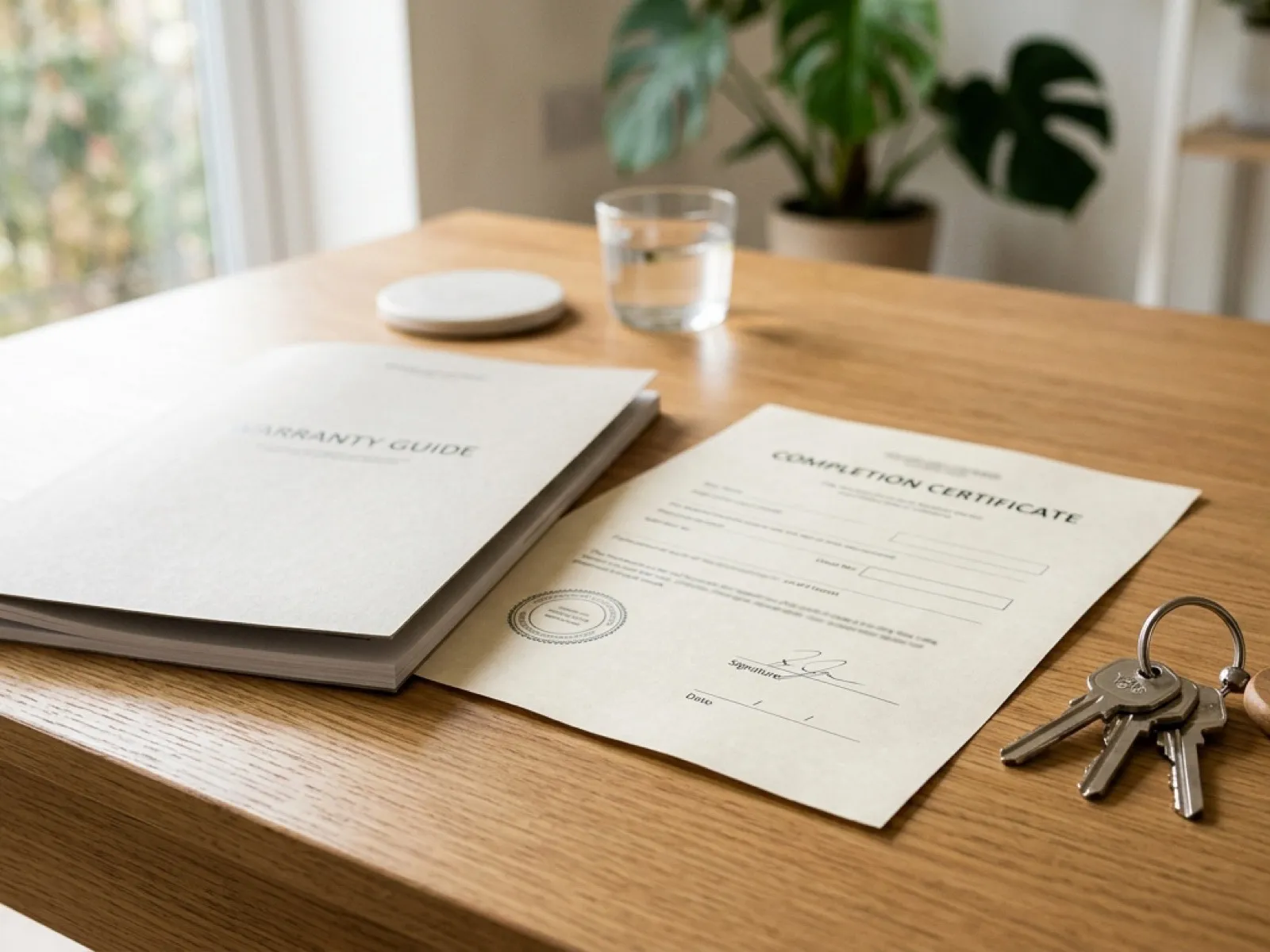
Not one deadline
Two periods, two different obligations
The builder's defects period
A shorter window, commonly around the first two years after legal completion, during which the builder itself is contractually obliged to fix genuine construction defects at its own cost. This is usually the more useful route for a snagging issue: it is a direct obligation on the company that built the house, and it is the period this site's surveys are built to serve.
The structural warranty
A much longer period, commonly ten years from an insurer or warranty provider such as NHBC, Premier Guarantee, LABC or another scheme, but only covering major structural defects, not general snagging items. It usually carries an excess, a claims process through the provider rather than the builder, and a narrower definition of what counts as covered.
Why the difference actually matters
A slipped ridge tile, an under-sealed flashing or a hairline render crack is exactly the kind of item the builder's defects period exists for. Reported and evidenced while that period is still open, it is the builder's problem to fix. Reported after it has closed, the same item may fall outside the structural warranty entirely, because most structural warranties are written to cover serious defects to the building's structure, not the general finish and weatherproofing snagging covers.
That gap, the space between where the defects period ends and where the structural warranty's cover actually begins, is where a genuine problem can end up belonging to nobody. It is the single strongest reason to get a roof and exterior checked before the shorter, more useful period closes rather than relying on the longer one as a safety net.
Read your own paperwork
Check your own documents, not this page
Every warranty provider writes its own terms, its own defects period length, its own claims process and its own list of what is and is not covered. NHBC, Premier Guarantee, LABC, Checkmate and the others are not interchangeable, and a defects period end date on one scheme is not evidence of anything about another.
This page explains the general shape of how new build cover typically works. It is not a substitute for reading your own completion certificate, your own warranty booklet, or asking your own conveyancing solicitor or warranty provider directly what your specific dates and terms actually are. If in doubt, ask them before assuming.
What a flown survey adds to either conversation
Whether an item is being raised with the builder inside the defects period or, in a more serious case, with the structural warranty provider, the same thing helps either conversation: dated, high resolution photographs of the roof and upper elevations, taken before the relevant deadline, with a plain written description of what was found.
The report does not tell you which scheme your defect falls under or whether it is covered. It gives you the evidence to have that conversation from a position of fact rather than a description nobody on the other end of the phone can verify.
How the evidence works
Book a snagging survey with New Build Drone Survey
Tell us the address and what you need looking at. Sam Hembury will come back with a fixed price and the next available slot.