Skip to content
New Build Drone SurveyExeter · Devon and the South West

Before the defects period closes

Your builder's defects period has a closing date. Your roof has never been checked.

A flown survey of the roof and every upper storey elevation, photographed at 100 megapixels and written up within 48 hours, so a defect goes on the list with a dated photograph attached rather than a description the builder can argue with.
  • Every roof plane, ridge and verge photographed at 100 megapixels
  • Fixed price agreed before the visit, no scaffolding or ladders
  • Written report inside 48 hours, ready to attach to your defects list
  • CAA registered, A2 Certificate of Competency, insured with Coverdrone
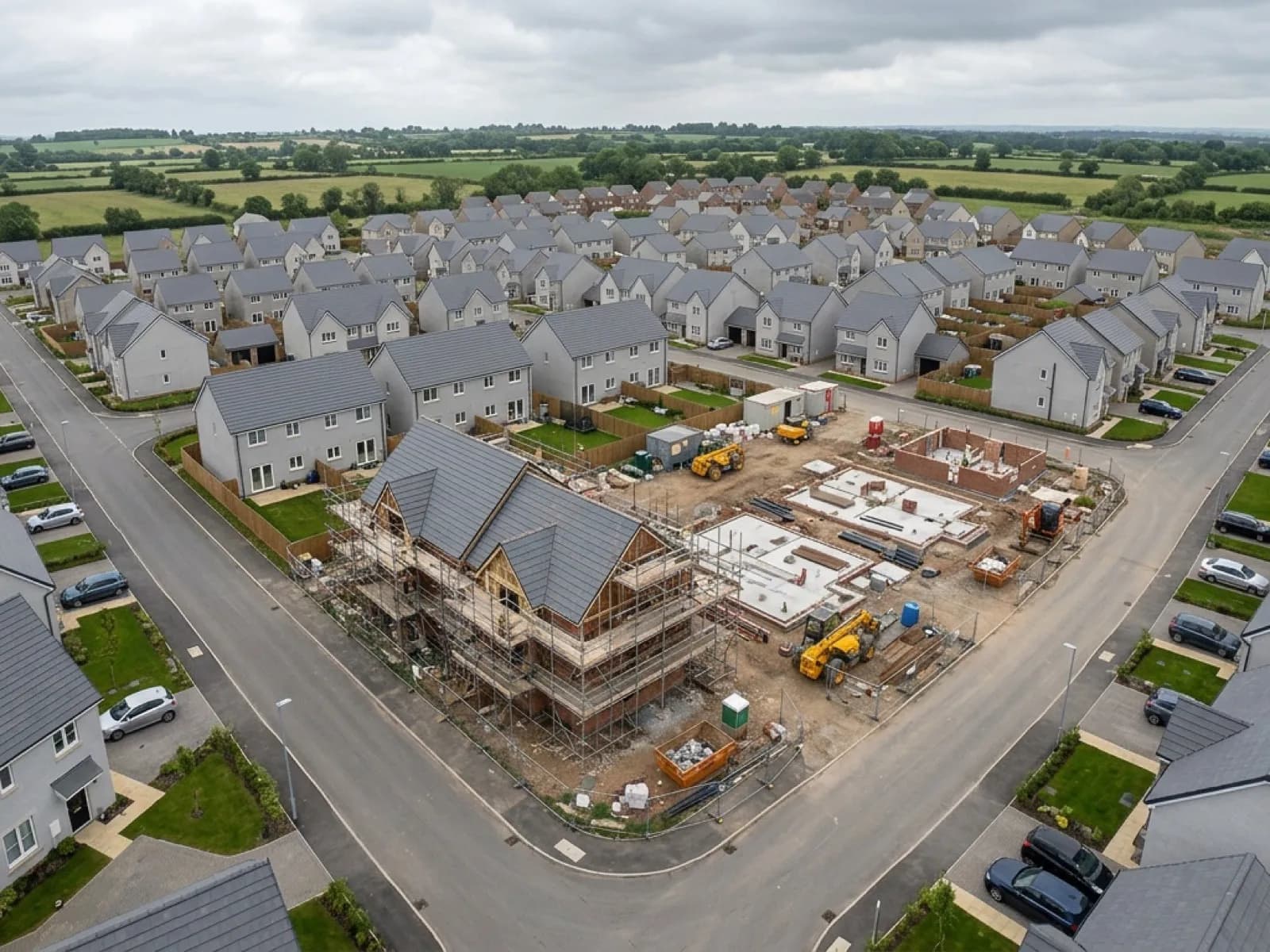
Aerial view of a new build housing estate with grey concrete roof tiles, rendered facades and a partly finished plot beside scaffolding

Survey reference · roof and exterior, flown before defects period close

The actual problem

Nobody has checked the roof, and the clock on your warranty is running

New build snagging usually happens from the ground: doors, sockets, paint finish, the things a homeowner can reach and photograph on a phone. The roof, the ridge line, the top of a parapet and the render above a first floor window head do not get the same treatment, because nobody can reach them without a ladder or a scaffold nobody wants to pay for on a house that is meant to be finished.

That gap matters because a builder's defects period has a closing date. Whatever is wrong up there and unreported when that date passes generally becomes the owner's cost to fix, whatever the paperwork implied when the keys were handed over.

A flown survey closes the gap while the window is still open. The aircraft covers what a person cannot safely reach, photographs it at a resolution you can crop into, and turns a homeowner's suspicion into a document a builder has to respond to.

The defects period and the structural warranty are not the same thing

What we fly

Two jobs, one aircraft, one report format

The flying is much the same each time. What changes is who is reading the report at the end and whose defects list it is going on.
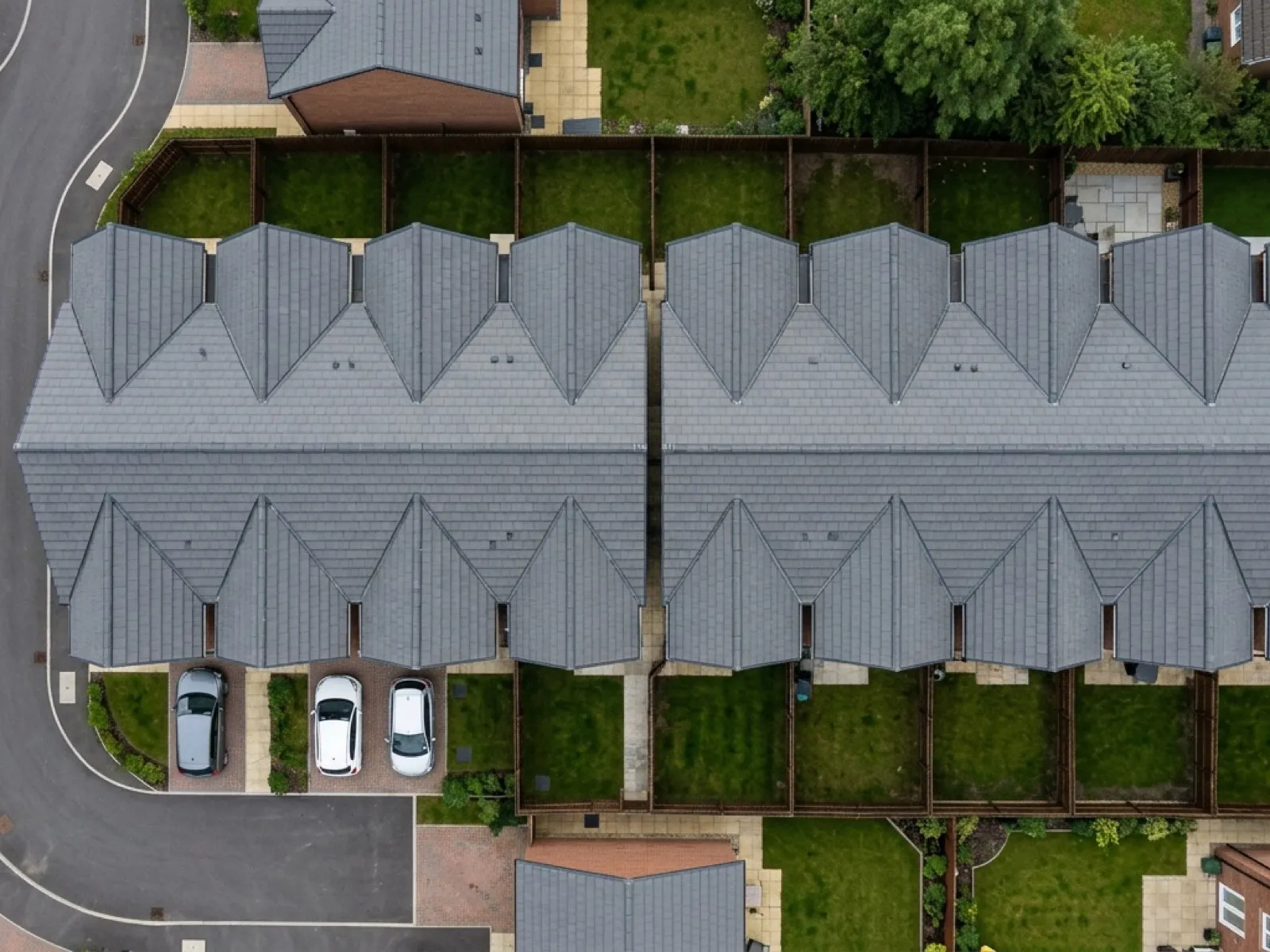
Aerial view of grey concrete tile roofs on a row of new build homes with ridge lines and verges visible from directly above

New Build Roof and Exterior Snagging Survey

The roof and every upper elevation photographed at 100 megapixels, written up within 48 hours, so a defect goes on your list with a dated photograph attached.

The snagging survey
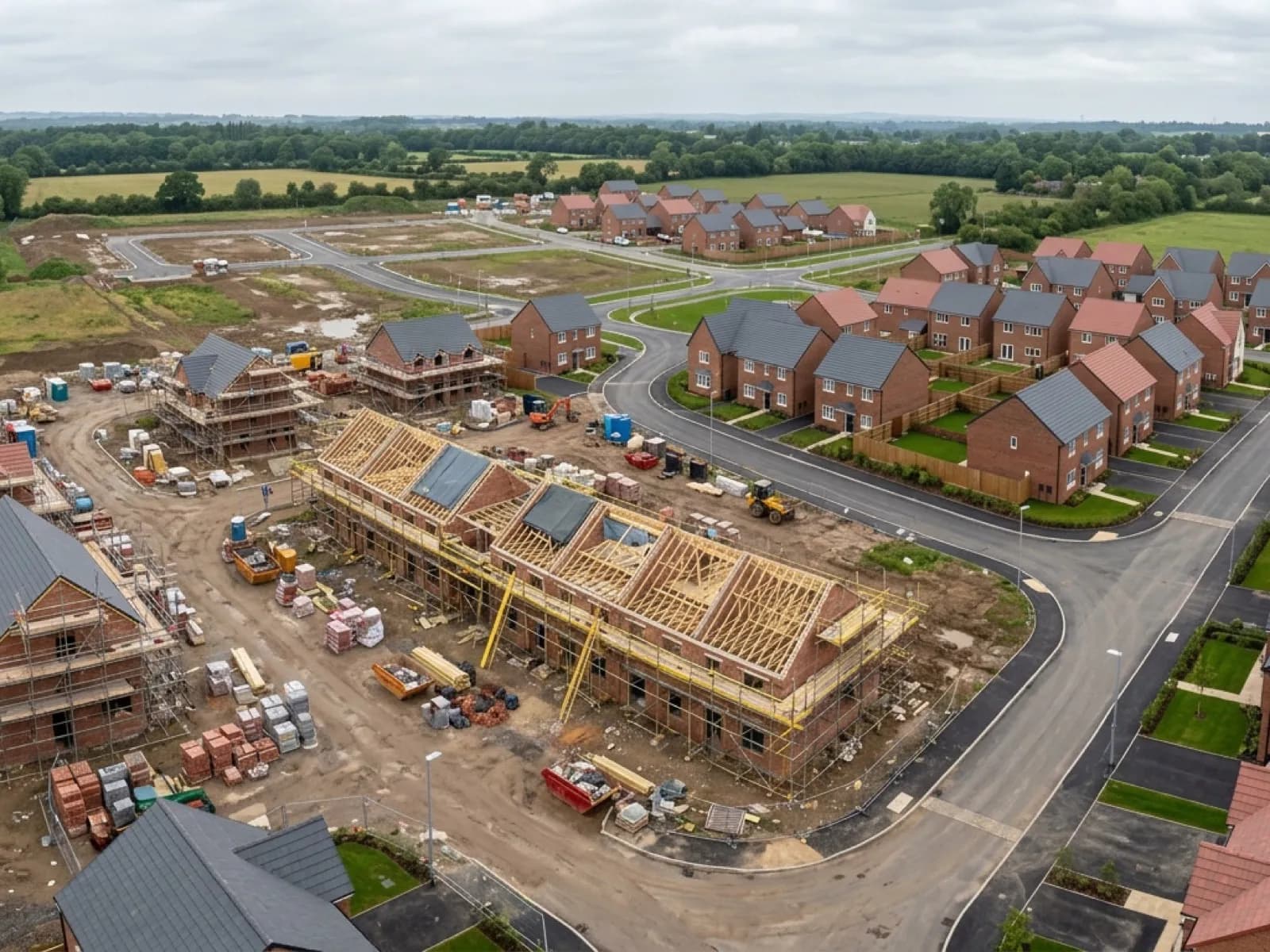
Aerial view of a new build estate under construction with a mix of finished roofs, scaffolded plots and a partly built terrace

Aerial Evidence for Snagging Companies

Roof and upper elevation imagery supplied for a snagging company's own client report, priced and booked to fit around your reporting deadline.

For snagging companies

Credentials

What sits behind the survey

CAA registered

Operator ID and Flyer ID held, plus the A2 Certificate of Competency. The paperwork goes over with the quote, ready for a site manager's file if one is needed before access is agreed.

100 megapixel camera

A DJI Mavic 4 Pro with a Hasselblad camera and 6K video. The resolution is what lets a single frame be cropped into a mortar joint on a ridge tile or a hairline crack in fresh render without the image falling apart.

Radiometric thermal

A DJI Mavic 2 Enterprise Advanced carrying a 640 by 512 thermal camera. Used where a flat roof section may be holding water under the membrane, which shows as a temperature difference well before it shows as a stain on a ceiling below.

Insured with Coverdrone

Full commercial cover for the operation. A certificate goes to a site manager, a warranty provider or a snagging company as a matter of course, without anyone having to chase for it.

What you get
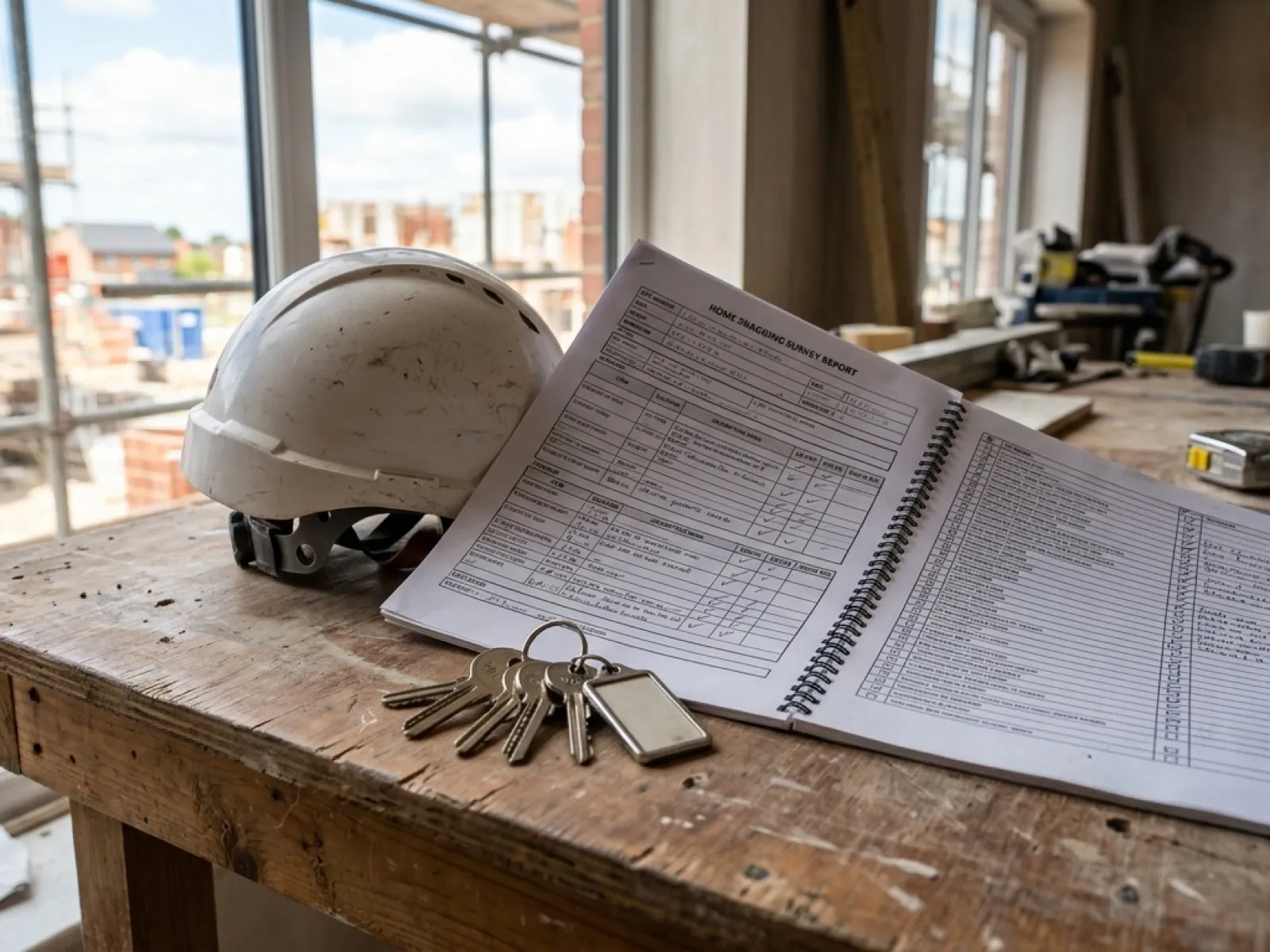
A report you can put in front of a site manager without translating it first

The flight is the easy part. The value is in what lands in your inbox 48 hours later, written so it can go straight onto your defects list.
  • An overview image of each roof elevation, so it can be read as a whole
  • Close annotated images of anything found, with a note on exactly where it is
  • A plain description of each item and how it compares to a properly finished job
  • Ridges, verges, flashings, render and gutters covered as standard
  • The full resolution originals, so a site manager can zoom in for themselves
  • A clear note on anything that could not be assessed and why
A printed snagging survey report and checklist on a site desk beside a hard hat and a set of house keys

What it looks like

The things a snagging survey finds, and nobody sees from the pavement

None of these look dramatic in year one. Most of them are the owner's bill in year three, once the defects period has closed.
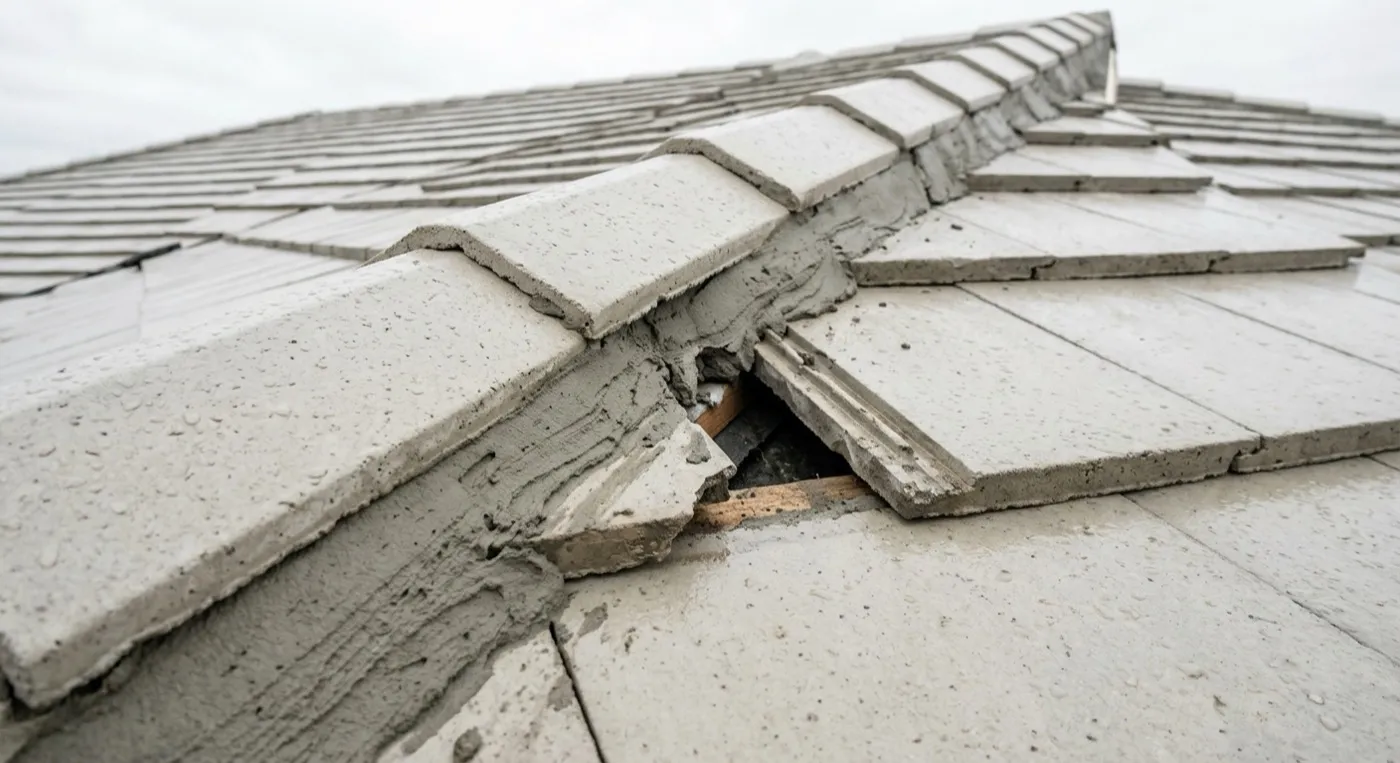
Close aerial detail of a gap in the mortar bedding along a new concrete tile ridge line
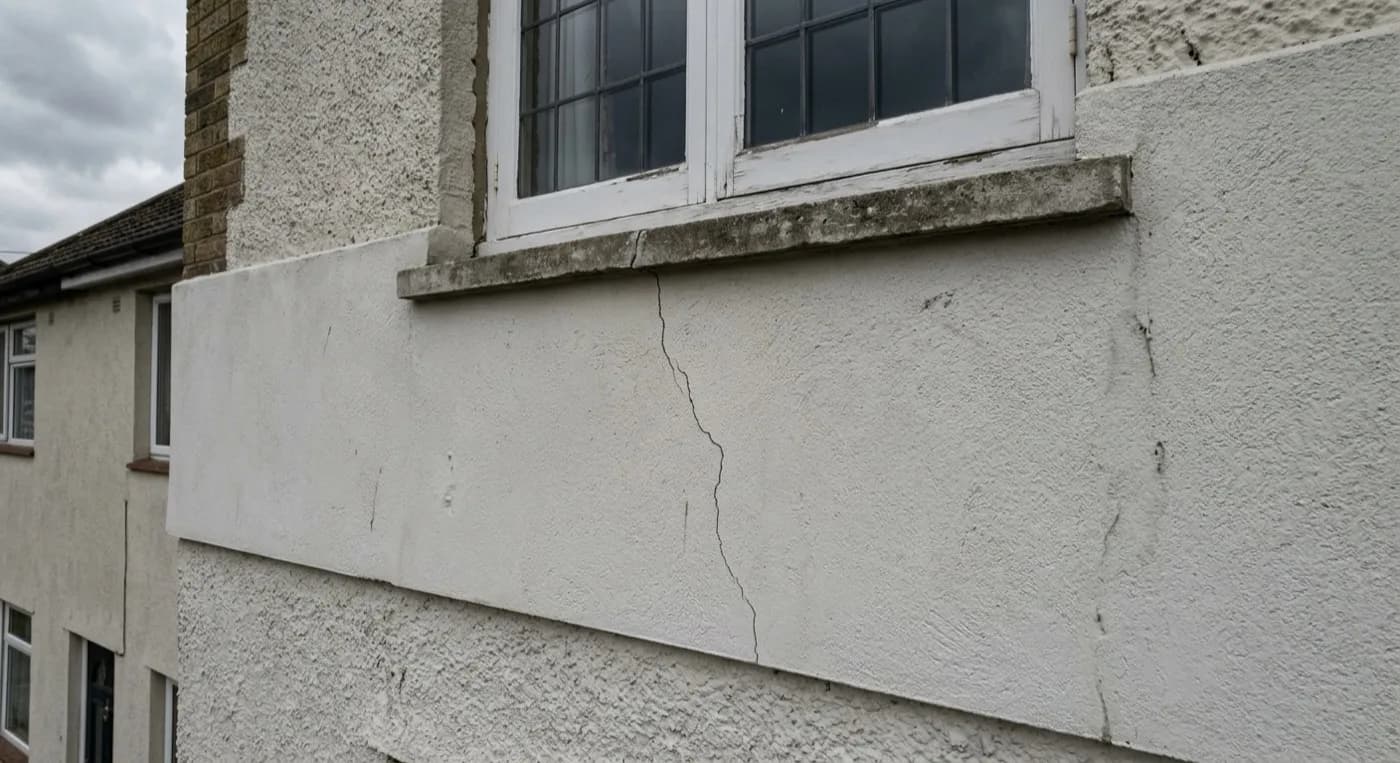
Close aerial detail of a hairline crack running through fresh render below a first floor window
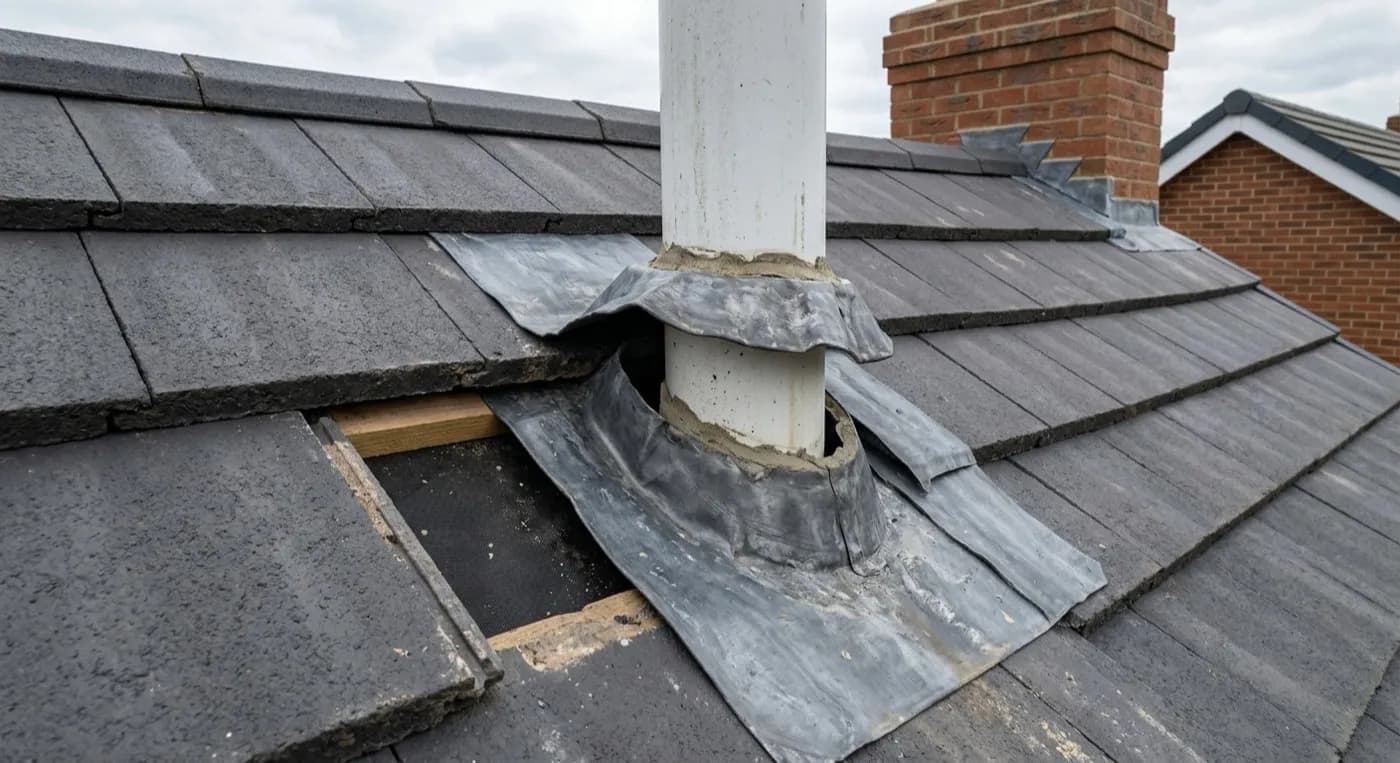
Close aerial detail of a lead flashing lifting away from a new build chimney or soil stack upstand
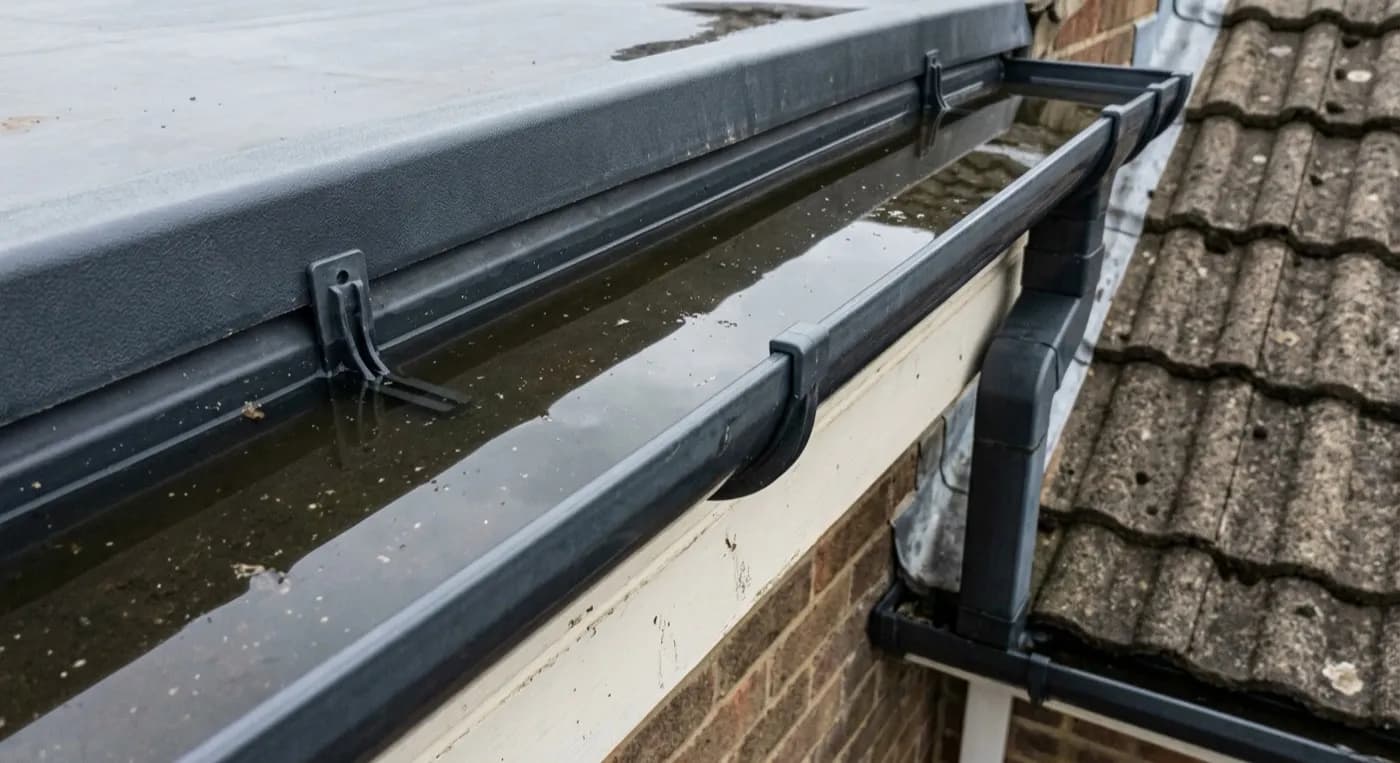
Close aerial detail of a new plastic gutter run holding standing water instead of falling to the downpipe

Where we fly

New build estates across Devon and the South West

Every town below has its own page, written around the kind of new build development that town actually has rather than the same paragraph with the name changed.

Questions

Questions we get asked

How soon after moving in should this happen?
Any time, but leaving it until close to the end of the defects period is the common mistake. Booking it early enough that a listed defect can still be reported, chased and, if needed, followed up before the window closes is what actually makes the evidence useful rather than just interesting.
Will the developer let a drone fly over the site?
The survey is of your own property, flown from a lawful take off point, and does not need the developer's permission the way accessing a roof physically would. Where the plot borders a live construction site, that is checked and planned around before the flight rather than discovered on the day.
Do I need to be at the property?
No, though plenty of owners want to be. All that is needed is somewhere lawful to launch from and access to the property, which on an estate is usually straightforward.
Is this the same as a snagging inspection?
It covers the part a ground-level snagging inspection cannot reach: the roof, ridges, verges, gutters, upper render and anything above eye level. It is not a full internal snag of doors, sockets, paint finish and fittings, and sits alongside that kind of inspection rather than replacing it.
What if something is found that looks serious?
The report says what was seen and how urgent it looks, in plain words. It does not price a repair or tell you whether the builder is obliged to fix it under your specific warranty terms, because that depends on your own documents. What it gives you is dated evidence to put in front of whoever needs to see it.
How much does a survey cost?
A fixed price agreed before the visit, based on the address and the size of the roof. Send the address and what you want covered and you get the figure back rather than a range.

How the evidence works

Book a snagging survey with New Build Drone Survey

Tell us the address and what you need looking at. Sam Hembury will come back with a fixed price and the next available slot.

Call 07846 726646Book a snagging survey